The short answer
The biggest mistake RV mattress buyers make is size — an RV “queen” is usually a Short Queen (60 by 75 inches), not a residential queen, so measure first. For a cooler night's sleep, the DynastyMattress CoolBreeze gel memory foam is our best overall in true RV sizes; the Brooklyn Bedding Wanderlust hybrid adds coils for support and bounce. The Zinus 8″ is the best value, and if your factory mattress is nearly good enough, a Zinus 4″ topper rescues it for under $150.
Why we're confident: we lead with RV-specific sizing because the wrong dimensions are the #1 reason RV mattresses get returned.
The short answer
For most RVers, the best mattress is a cooling gel memory-foam model built in an RV size like the DynastyMattress CoolBreeze, which is lighter, sleeps fine on a platform, and fits the RV Short Queen (about 60 × 75 in.) that most campers use. If you sleep hot or want more support and bounce, step up to a hybrid like the Brooklyn Bedding Wanderlust. On a tight budget, the Zinus 8" Foam & Spring is the value pick, and for low-clearance bunks the slim Linenspa gel foam is the call. The single most important step is measuring your existing mattress before you buy — RV sizes are not standard.
Quick picks
- Best overall (cooling memory foam): DynastyMattress CoolBreeze Gel Memory Foam — RV sizes, USA-made, sleeps cool. Mid · ~$300–500
- Best hybrid: Brooklyn Bedding Wanderlust Hybrid — coils + foam for support, bounce, and cooler sleep. Mid–Premium · ~$400–650
- Best value: Zinus 8" Foam & Spring RV Mattress (Short Queen) — true RV fit at a budget price. Budget–Mid · ~$200–300
- Best for bunks: Linenspa Gel Memory Foam (5"/6") — slim, cool, fits low-clearance bunks. Budget · ~$100–180
- Best upgrade without replacing: Zinus 4" Green Tea Memory Foam Topper — rescue a so-so factory mattress. Budget · ~$80–150
Compare the picks
| Product | Type | Tier | ~Price | Best for |
|---|---|---|---|---|
| DynastyMattress CoolBreeze | Gel memory foam | Mid | ~$300–500 | Most rigs, hot sleepers |
| Brooklyn Bedding Wanderlust | Hybrid (coils + foam) | Mid–Premium | ~$400–650 | Support, bounce, edge |
| Zinus 8" Foam & Spring | Hybrid (value) | Budget–Mid | ~$200–300 | True RV Short Queen fit |
| Linenspa Gel Memory Foam | Memory foam (slim) | Budget | ~$100–180 | Low-clearance bunks |
| Zinus 4" Green Tea Topper | Foam topper | Budget | ~$80–150 | Fixing a factory mattress |
RV mattress sizes explained
The number-one mistake is buying a residential "queen" and finding it hangs off the platform. RV beds run shorter and sometimes narrower than household sizes, and the exact cut varies by manufacturer — so always measure your current mattress before ordering. The common sizes:
| RV size | Typical dimensions | Notes |
|---|---|---|
| RV Short Queen | ~60 × 74–75 in. | The most common travel-trailer / fifth-wheel size |
| RV Queen | ~60 × 80 in. | Full household length; confirm your frame fits it |
| RV King | ~72 × 80 in. | Narrower than a household king — verify width |
| RV Short King | ~72 × 75 in. | Found in some larger motorhomes |
| RV Bunk | ~28–34 × 75 in. (varies) | Watch thickness for headroom and clearance |
Dimensions above are typical ranges, not guarantees. Different RV brands cut beds slightly differently, and a mattress that is even an inch too long will not seat properly against the headboard or storage lid.
The reviews
DynastyMattress CoolBreeze Gel Memory Foam RV Mattress
Mid · ~$300–500 · cooling foam, cut for RV sizes
This is the mattress we would buy for a typical rig without overthinking it. It is sold in RV-specific cuts (Short Queen, RV King, and others), uses gel-infused memory foam that runs cooler than plain foam, and lands at a medium-firm feel that suits most back and combination sleepers. The all-foam build is lighter than a hybrid, which matters when your bed lifts on gas struts over a storage cavity. DynastyMattress builds these in the USA and backs them with a long warranty. For the money, it is the easiest "fixes the factory bed" upgrade in the camper.
Pros
- Sold in true RV sizes, not household sizes
- Gel foam sleeps cooler than basic memory foam
- Light enough for lift-up storage beds
Cons
- All-foam runs warmer than a hybrid for very hot sleepers
- Needs a day or two to fully expand after unboxing
Brooklyn Bedding Wanderlust RV Hybrid Mattress
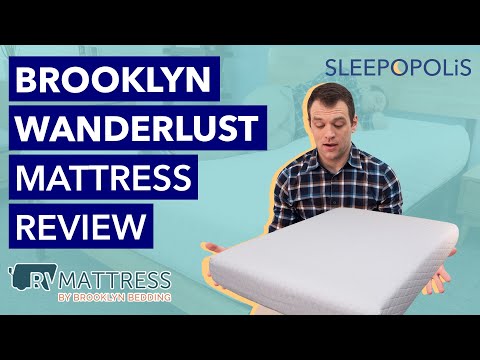
Mid–Premium · ~$400–650 · coils for support and cooler sleep
If you sleep hot, want stronger edge support, or just miss the feel of a real home mattress, the hybrid route is worth the extra cost — and Brooklyn Bedding's RV line is the one we trust. A coil core paired with comfort foam sleeps noticeably cooler than all-foam because air moves through the springs, and it gives you that supportive bounce that pure foam can not. It comes in RV cuts and multiple thicknesses, so you can match it to your platform's clearance. The trade-off is weight: a hybrid is heavier to wrestle into a slide-out or onto a lift-up base.
Pros
- Coils sleep cooler and add support and bounce
- Better edge support than all-foam
- RV sizes and multiple depth options
Cons
- Heavier than foam — harder on lift-up beds
- Costs more than a budget foam mattress
Zinus 8" Foam & Spring RV Mattress (Short Queen)
Budget–Mid · ~$200–300 · true RV fit, friendly price
When the goal is a real improvement over the factory slab without spending hybrid money, this Zinus is the workhorse. It is built specifically for RVs, campers, and trailers in the actual Short Queen footprint, so it fits where household "queens" do not. The foam-over-springs construction gives you more support and airflow than a flat foam pad, and at 8 inches it suits most main-bed platforms. It is not a luxury mattress, but dollar for dollar it is the easiest value pick here, and it ships compressed in a box for an easy install.
Pros
- Built in genuine RV Short Queen dimensions
- Foam-over-spring feel for the price
- Ships in a box; simple to install
Cons
- Not as plush or durable as premium picks
- 8" height may feel thin to some sleepers
Linenspa Gel Memory Foam Mattress (5" / 6")
Budget · ~$100–180 · slim, cool, made for tight bunks
Bunk beds are a clearance puzzle: too thick and your kid can not sit up, too thin and they feel the plywood. The slim Linenspa gel-foam models solve it. The 5 and 6 inch versions are firm enough to keep the platform from poking through but still cushioned, and the gel-infused top layer helps with the heat that builds up in an enclosed bunk. They come in twin and narrow sizes that suit most bunk frames, ship compressed, and cost little enough that outfitting two or three bunks does not break the bank. Measure the bunk opening first — width varies a lot.
Pros
- Slim profile fits low-clearance bunks
- Gel layer fights heat buildup in enclosed bunks
- Cheap enough to do several bunks at once
Cons
- Thin by design — not for a main adult bed
- Bunk widths vary; confirm the exact size
Zinus 4" Green Tea Memory Foam Mattress Topper
Budget · ~$80–150 · save a mattress you can almost live with
Sometimes the factory mattress is the right size and just too firm or too thin to sleep on. Before you replace it, try a topper. A 3 to 4 inch memory-foam topper like this Zinus adds real cushion and pressure relief for a fraction of a new mattress, and it is light enough that it does not fight a lift-up bed. It is the smart first move for weekenders or anyone not ready to spend on a full replacement — and if it is not enough, you can still upgrade later and move the topper to a bunk or guest bed.
Pros
- Cheapest way to improve a usable mattress
- Adds pressure relief without the weight of a new bed
- Reusable on a bunk or guest bed later
Cons
- Can not fix a worn-out or wrong-size mattress
- Trim-to-fit may be needed for odd RV cuts
See it in action
Official demos and hands-on walkthroughs of our picks. Videos play right here via YouTube.
How to choose
1. Measure before anything else
Pull the bedding and measure your existing mattress length, width, and the depth your platform or storage lid allows. RV sizes are not standard, so the tape measure beats the label every time.
2. Memory foam or hybrid?
Foam is lighter and easier to handle on lift-up beds, and a gel-infused foam sleeps fine for most people. A hybrid sleeps cooler and gives more support and edge, but it is heavier and costs more. If you run hot or want a home-mattress feel, lean hybrid; if weight and price matter, lean foam.
3. Mind the weight and the clearance
Beds that lift on gas struts over storage do not love heavy hybrids. And in bunks, every inch of thickness is headroom — measure the opening and buy to the clearance, not the comfort you wish you had.
4. Topper first if the size is already right
If the factory mattress fits and is just too firm or thin, a memory-foam topper is the cheapest fix and a sensible first step before a full replacement.
Frequently asked questions
What size is an RV Short Queen mattress?
An RV Short Queen is typically about 60 inches wide by 74 to 75 inches long — a few inches shorter than a household queen. It is the most common size in travel trailers and fifth wheels. Exact dimensions vary by RV brand, so measure your current mattress before ordering.
Can I use a regular household mattress in my RV?
Often no. Standard household sizes are usually longer, and sometimes wider, than RV cuts, so a regular queen frequently hangs off the platform or will not seat against the headboard. Confirm your bed frame's exact dimensions first; an RV-specific size is the safer buy.
Is memory foam or a hybrid better for an RV?
Both work. Memory foam is lighter and easier to handle on lift-up storage beds, and gel-infused foam sleeps reasonably cool. A hybrid sleeps cooler and offers more support and edge, but it is heavier and costs more. Choose foam for weight and budget, hybrid for cooling and a home-mattress feel.
Why is my RV mattress so uncomfortable?
Most RVs ship with a thin, low-density foam mattress built to a price, not to a good night's sleep. Replacing it with a quality RV-sized memory-foam or hybrid mattress — or adding a memory-foam topper if the size is right — is one of the cheapest comfort upgrades you can make.
How do I pick a mattress for an RV bunk?
Measure the bunk opening for both footprint and clearance, then choose a slim mattress, often 5 to 6 inches, so there is still headroom to sit up. A gel-infused foam helps with the heat that builds in an enclosed bunk. Bunk widths vary widely, so confirm the exact size before buying.
Related guides
Best RV Roof Vent Fans
Sleep cooler and cut condensation so a new mattress stays dry and comfortable.
Read the guide →Best RV A/C Soft Starts
Keep the bedroom cool on a small generator or a 30-amp hookup.
Read the guide →Best RV Deep-Cycle Batteries
Power your fan and bedroom electronics off-grid through the night.
Read the guide →