The short answer
For most RVers in 2026, a 100Ah LiFePO4 (lithium) battery is the best deep-cycle choice — you get roughly double the usable capacity of a same-size AGM (about 100Ah usable vs ~50Ah), 3–5× the lifespan (2,000–5,000+ cycles), half the weight, and no maintenance. Our top pick is the Battle Born 100Ah LiFePO4 (USA-made, ~10-year life) for buyers who want the best; the Renogy 100Ah Smart LiFePO4 is the best value. Choose AGM only if your budget is tight or your RV's converter can't be set to a lithium charge profile.
Why trust this: we run lithium banks in our own rigs and size them by real usable amp-hours, not the label — the number most buyers get wrong. Full comparison, capacity math, and tiered picks below.
Quick picks
- Best overall: Battle Born 100Ah LiFePO4 — USA-made, ~10-year life, the bank we'd put in our own coach. Premium · ~$925
- Best mid-range: Renogy 100Ah Smart LiFePO4 — name-brand lithium with Bluetooth at a fair price. Mid · ~$293
- Best budget lithium: Power Queen / LiTime 100Ah — cheapest way into real lithium. Budget · ~$229–260
- Best for cold: Renogy 100Ah Pro Smart self-heating — charges below freezing. Premium · ~$594
- Most rugged: Dakota Lithium 100Ah — 11-year warranty, built for rough roads. Premium · ~$699
- Best value AGM: Weize 100Ah AGM — light-duty backup on a tight budget. Budget · ~$180–220
At a glance
| Battery type | Usable capacity* | Cycle life | Weight (100Ah) | Best for |
|---|---|---|---|---|
| LiFePO4 (lithium) | ~100% (100Ah) | 3,000–5,000 | ~26 lb | Full-timers, boondockers |
| AGM | ~50% (50Ah) | 500–1,000 | ~63 lb | Weekenders, budget builds |
| Flooded lead-acid | ~50% (50Ah) | 300–600 | ~58 lb | Tight budgets, ventilated bays |
*Usable capacity = how much you can safely draw before damaging the battery. This is the number that actually matters off-grid.
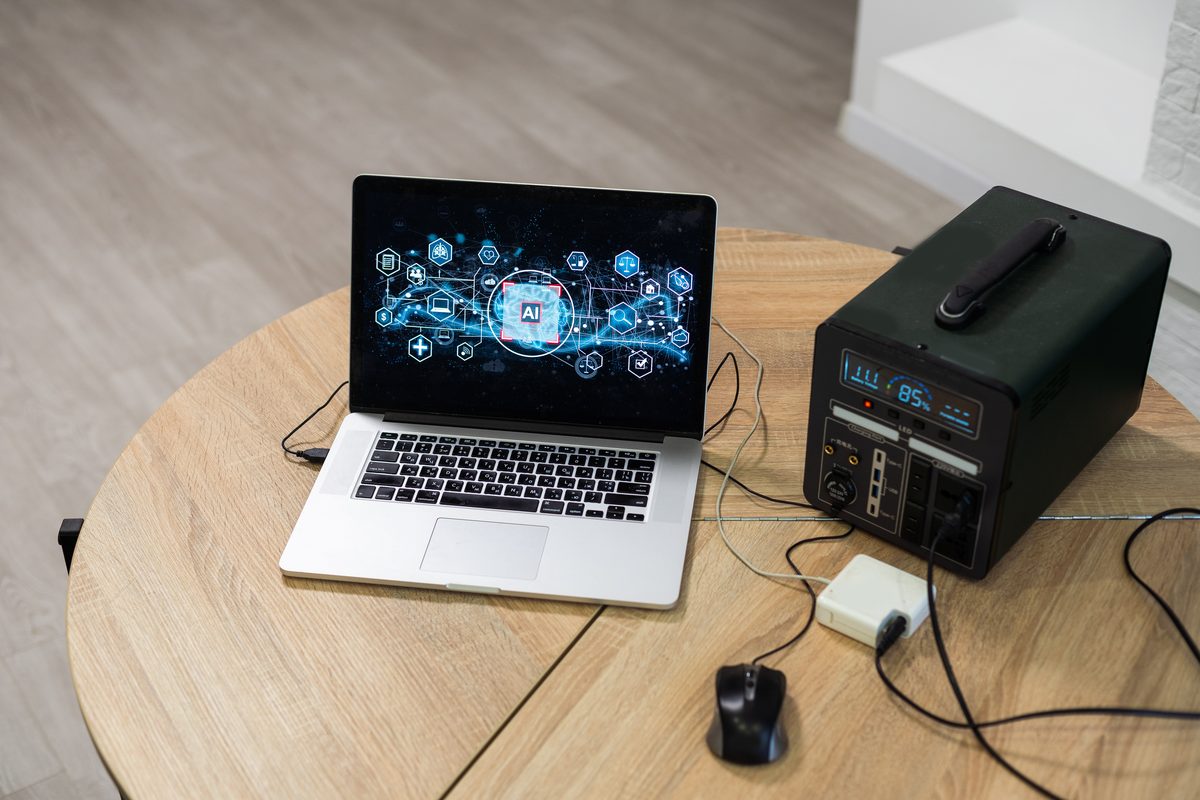
Compare the picks
| Product | Tier | ~Price | Best for |
|---|---|---|---|
| Battle Born 100Ah LiFePO4 | Premium | ~$925 | Full-timers & boondockers |
| Renogy 100Ah Smart LiFePO4 | Mid | ~$293 | First lithium swap, best value |
| Power Queen / LiTime 100Ah | Budget | ~$229–260 | Cheapest way into lithium |
| Renogy 100Ah Pro Smart Self-Heating | Premium | ~$594 | Cold-weather charging |
| Dakota Lithium 100Ah | Premium | ~$699 | Rough roads & overlanding |
| Weize 100Ah AGM | Budget | ~$180–220 | Light-duty backup, hookups |
The reviews
Battle Born 100Ah LiFePO4 (Group 31)
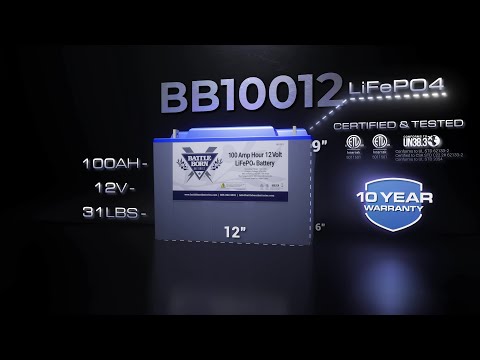
Premium · ~$925–949 · heated version available
The USA-made benchmark. A true 100Ah usable, 3,000–5,000 cycles (~10 years), and roughly a third of the weight of a comparable lead-acid bank. The optional heated model charges below freezing for four-season coaches. Costs more up front but usually wins on cost-per-usable-amp-hour over its life.
Pros
- USA-made, top-tier BMS & support
- Full 100Ah usable, ~10-yr life
- Heated option for cold charging
Cons
- Highest sticker price
- May need a lithium-aware charger
Renogy 100Ah Smart LiFePO4 (Bluetooth)
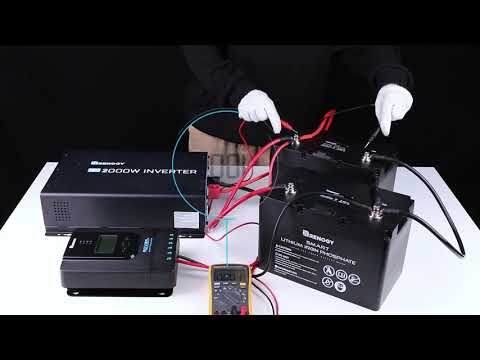
Mid · ~$293 (Core) to ~$594 (Pro Smart)
The sweet spot for most upgrades: a trusted name brand with app monitoring at a far lower price than premium. The Core is the value entry; step up to the Pro Smart for Bluetooth and self-heating. Great for a first lithium swap in a weekender or part-time coach.
Pros
- Name-brand reliability & ecosystem
- Bluetooth app monitoring
- Strong price-to-features
Cons
- Core model isn't self-heating
- Support not quite Battle Born level
Power Queen / LiTime 100Ah LiFePO4
Budget · ~$229–260 · best $/Ah
The cheapest credible way into real lithium (both brands share a parent). You give up some brand polish and long-term support, but you get full usable capacity and a 100A BMS for a price that undercuts everything else. The #1 searched "first lithium" upgrade this season.
Pros
- Lowest price per amp-hour
- Full ~100Ah usable
- Drop-in Group 31 size
Cons
- No self-heating (standard model)
- Shorter warranty / lighter support
Renogy 100Ah Pro Smart Self-Heating
Premium · ~$594 · charges below freezing
Lithium can be damaged if charged below ~32°F; this one's built-in heating pad warms the cells first, drawing a little power so you can keep charging in winter and shoulder-season. Essential for four-season rigs and cold-climate boondocking. (OPTIMA's self-heating LiFePO4 is a strong alternative.)
Pros
- Safe charging in sub-freezing temps
- Bluetooth monitoring
- All the lithium upsides
Cons
- Premium price
- Heater sips a little power
Dakota Lithium 100Ah LiFePO4
Premium · ~$699 · 11-year warranty
Dakota Lithium leans hard on durability: an industry-leading 11-year warranty and cells rated for thousands of cycles even in rough, vibration-heavy use. A favorite for overlanders and rigs that pound washboard roads, it splits the difference between Battle Born money and budget lithium while offering one of the longest warranties in the category.
Pros
- 11-year warranty (longest here)
- Built for vibration & rough use
- Full 100Ah usable
Cons
- Standard model not self-heating
- Pricier than budget lithium
Weize 100Ah AGM Deep-Cycle
Budget · ~$180–220 · sealed, maintenance-free
If you mostly camp with hookups and only need backup for short stints, a quality AGM (Weize, Renogy, and Universal all make solid ones) is sealed, maintenance-free, and the lowest upfront cost. Just remember you only get about half its rating in usable power and a shorter lifespan than lithium.
Pros
- Lowest upfront cost
- Sealed, maintenance-free
- Widely available
Cons
- ~50% usable capacity
- Heavy (~60+ lb)
- 500–1,000 cycles
See it in action
Official demos and hands-on walkthroughs of our picks. Videos play right here via YouTube.
How to choose
1. Size your bank to your real draw
Add up your daily amp-hours (fridge, lights, water pump, devices). Off-grid, plan for lithium at ~100% usable and lead-acid/AGM at ~50%. Two 100Ah AGMs roughly equal one 100Ah lithium in real usable power.
2. Match your charging
Lithium wants a lithium-aware converter and ideally DC-DC charging from the alternator. Budget for the charger, not just the battery.
3. Weight and space
Lithium saves 60–70% of the weight for the same usable capacity — a big deal for payload and tongue weight.
Frequently asked questions
How many lithium batteries do I need for boondocking?
Add up your daily amp-hour draw (fridge, lights, water pump, devices) and match it to usable capacity. A single 100Ah lithium gives nearly a full 100Ah usable, so most weekenders do well on 100–200Ah, while full-timers running a residential fridge often want 300–400Ah or more.
Can I just drop a lithium battery into my existing RV?
Often yes for the battery itself — Group 31 lithium batteries are the same physical size as common lead-acid ones. The catch is charging: your converter and any solar controller should have a lithium (LiFePO4) profile, and an alternator charge is best handled through a DC-DC charger.
Will lithium work in cold weather?
Lithium discharges fine in the cold but can be damaged if charged below about 32°F. For four-season or winter camping, choose a self-heating model that warms its cells before accepting a charge.
Is lithium worth the extra cost over AGM?
For anyone who camps off hookups regularly, usually yes. Lithium gives roughly double the usable capacity per amp-hour, lasts several times longer in cycles, and weighs about a third as much, so the cost per usable amp-hour over its life often beats AGM despite the higher sticker price.
Does a 50-amp Class A motorhome need a special battery?
No — the 50-amp rating refers to shore power, not the house battery bank. A Class A simply tends to run more appliances, so it usually needs a larger bank (often 300Ah and up) rather than a different battery type.
Related guides
Best RV Power Inverters
Turn your battery bank into clean household AC — sizing, surge, and pure-sine picks.
Read the guide →Best RV Solar Kits
Size panels and a charge controller to keep your battery bank topped off-grid.
Read the guide →Best RV Generators & Power Stations
Silent battery stations and quiet generators for when solar is not enough.
Read the guide →Best 12V RV Refrigerators
Your battery bank's biggest job — pick a compressor fridge sized to your amp-hours.
Read the guide →