The short answer
For a motorhome towing a car, get a TPMS with a signal booster so the readings reach the rear tires — the TireMinder i10 has one built in. For most rigs the TST 507 is the best overall, with a clear color monitor, flow-through or cap sensors, and easy expansion to a coach-plus-toad setup. The EEZTire Pro 518C is the best heavy-duty value (up to 26 tires, 210 PSI), while the Tymate TM12 covers a trailer on a budget.
Why we're confident: TPMS picks account for rig length and signal reach — the reason cheap systems drop the rear tires on a big coach.
Quick picks
- Best overall: TST 507 — color monitor, flow-through or cap sensors, 3-year warranty, expandable to a coach + toad. Premium · ~$450–530 (6-sensor)
- Best for long coach + toad: TireMinder i10 — built-in signal booster reaches the rear tires on a big rig. Premium · ~$250–450
- Best value heavy-duty: EEZTire Pro 518C — up to 26 tires, 210 PSI, booster included. Mid · ~$280–350 (8-sensor)
- Best budget: Tymate TM12 — solar/USB, up to 12 sensors, 144 PSI. Budget · ~$60–80
- Best for a toad / smaller rig: GEARGO Solar TPMS — cheap, easy 4-sensor starter. Budget · ~$45–60
How many sensors & which type
| Setup | Sensors you need | Notes |
|---|---|---|
| Travel trailer + tow vehicle | 4 (trailer) + 4 (truck) | Monitor both — a tow-vehicle rear tire matters too |
| Class A motorhome + toad | 6 (coach) + 4 (toad) | That's 10+ sensors — buy a system that expands |
| Dually big rig | Often 6–10 | Add a repeater/booster for rear-tire signal |
Cap sensors screw onto the valve stem — easy, DIY, but theoretically removable and they add a hair of weight to the stem. Flow-through sensors let you add air without removing them. Internal sensors mount inside the tire (best protection, needs a shop). For most RVers, quality cap sensors are the sweet spot. Class A note: big coach tires run 80–120 PSI, so make sure the system's pressure ceiling is high enough — budget units often stop at 99 PSI.
Compare the picks
| Product | Tier | ~Price | Best for |
|---|---|---|---|
| TST 507 | Premium | ~$450–530 | Big coaches, flow-through option |
| TireMinder i10 | Premium | ~$250–450 | Long coach + toad signal reach |
| EEZTire Pro 518C | Mid | ~$280–350 | Heavy-duty value, up to 26 tires |
| Tymate TM12 | Budget | ~$60–80 | Cheapest solar monitor |
| GEARGO Solar TPMS | Budget | ~$45–60 | Toad or smaller-rig starter |
The reviews
TST 507 RV TPMS (color display, 6 sensors)
Premium · ~$450–530 (6-sensor) · expandable to 22
The Elkhart-built favorite for serious coaches. Real-time pressure and temperature on a clear color monitor, your choice of flow-through or cap sensors, and the longest warranty in the category (3 years). Add sensors for a toad as you go. If you want one system that just works on a big rig, this is it.
Pros
- Flow-through or cap sensors
- 3-year warranty, US support
- Expands to coach + toad
Cons
- Premium price
- Add a repeater on the longest rigs
TireMinder i10 RV TPMS (with signal booster)
Premium · ~$250–450 · built-in booster
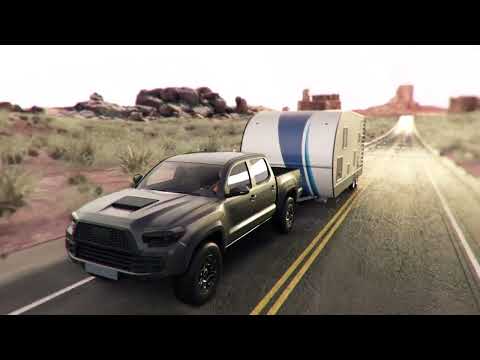
Built for the distance problem on a long Class A towing a car: the included booster keeps the rear-coach and toad sensors talking to the monitor without dropouts. Handles high-PSI coach tires and auto-scrolls through duals and tag axles. A perennial roundup pick.
Pros
- Booster for long rigs included
- Handles high-PSI coach tires
- Easy setup
Cons
- Monitor screen simpler than TST color
EEZTire TPMS Pro 518C (8 sensors + booster)
Mid · ~$280–350 (8-sensor) · monitors up to 26 tires
A lot of serious capability for the money: a 3.5" color monitor, 210 PSI ceiling (plenty for any coach tire), a booster in the box, and room to monitor up to 26 tires — so a Class A plus a toad is no problem. EEZ has been doing this since 2005 and includes a strong warranty.
Pros
- 210 PSI ceiling, 26-tire capacity
- Booster included
- Great price for heavy-duty
Cons
- Brand less known than TST/TireMinder
Tymate TM12 Solar TPMS (up to 12 sensors)
Budget · ~$60–80 · 144 PSI · solar/USB
The top-selling budget line for a reason: solar + USB monitor, color LCD, and a 144 PSI range that covers more coach tires than most cheap units. Expandable to 12 sensors with a repeater version for longer rigs. A smart way to cover a smaller coach or a trailer without spending premium money.
Pros
- Inexpensive, solar-powered
- 144 PSI (higher than most budget)
- 5-minute setup
Cons
- Cap sensors only
- Lighter warranty/support
GEARGO Solar TPMS (4 external sensors)
Budget · ~$45–60 · solar + USB-C
A cheap, popular 4-sensor kit that's perfect as a dedicated toad monitor or for a Class C / smaller trailer. Solar with USB-C backup and an easy color display. Note the 0–99 PSI range means it's not ideal for high-pressure Class A coach tires — use it on the lighter vehicle.
Pros
- Cheapest easy entry
- Solar + USB-C
- Great toad/Class C monitor
Cons
- 0–99 PSI — not for heavy coach tires
- 4 sensors only
See it in action
Official demos and hands-on walkthroughs of our picks. Videos play right here via YouTube.
How to choose
1. Count every tire — including the towed one
Buy a kit that covers the rig and the toad or tow vehicle. A Class A plus a flat-towed car is 10+ tires — pick a system that expands. The tire most likely to fail unnoticed is the one farthest from you.
2. Check the pressure ceiling for coach tires
Class A tires run far above car pressures (often 80–120 PSI). Budget units that top out at 99 PSI can't monitor them — confirm the system handles your cold inflation number.
3. Watch temperature, not just pressure
Heat is the early warning. A sensor that alarms on rising temperature can flag a dragging brake or failing bearing before the pressure ever moves — exactly what bites you on hot summer pavement.
4. Get a booster/repeater if you run long or dual
Signal dropouts make a monitor useless. For 35'+ rigs or duallies, choose a system with the booster included (TireMinder i10, EEZTire 518C) and set each tire's cold baseline from the load/inflation chart.
Frequently asked questions
How many TPMS sensors do I need?
One per tire you want to monitor, including the towed vehicle. A travel trailer plus tow vehicle is typically eight, and a Class A motorhome plus a flat-towed car is often ten or more — so buy a system that expands.
What is the difference between cap and flow-through sensors?
Cap sensors screw onto the valve stem and are easy DIY but must be removed to add air. Flow-through sensors let you inflate without taking them off, and internal sensors mount inside the tire for the best protection but need a shop to install.
Will a TPMS work on high-pressure Class A tires?
Only if its pressure ceiling is high enough. Big coach tires often run 80–120 PSI, and many budget units stop at 99 PSI, so confirm the system handles your cold inflation number before buying.
Do I need a signal booster or repeater?
On long rigs (roughly 35 feet and up) or duallies, yes. A booster keeps the rear and towed-vehicle sensors talking to the monitor without dropouts, and several systems include one in the box.
Can a TPMS actually prevent a blowout?
It cannot stop a tire from failing, but it gives early warning. Because heat and pressure loss usually precede a blowout, a monitor that alarms on rising temperature can flag a failing tire, dragging brake, or bad bearing before the tread comes apart.
Related guides
Best Weight Distribution Hitches
Tow level and sway-free — the other half of safe trailer towing.
Read the guide →Best RV Leveling Systems
Get the rig level fast at every site, from blocks to auto-levelers.
Read the guide →