The short answer
For most RVers in 2026, the Dometic CFX3 (35 or 55) is the best 12V portable refrigerator — the lowest real power draw in its class, a rugged build, dual-zone fridge/freezer, and app control. If you want most of that for far less, the ICECO VL60 is the best value: a 60-liter dual-zone box with a premium SECOP compressor and a 5-year warranty. On a tight budget, the Alpicool CF55 delivers dual-zone cooling for around $300. Whatever you pick, size it to your battery bank first — a compressor fridge typically pulls about 30–50 amp-hours a day, so plan your power around it.
Why we're confident: we rank 12V fridges on real usable capacity and honest daily amp draw for off-grid use, not on quart labels — the number most buyers overlook until their battery dies overnight. Full comparison, power math, and tiered picks below.
Quick picks
- Best overall: Dometic CFX3 55 — lowest power draw, best build, dual-zone with app control. Premium · ~$1,000–1,150
- Best value dual-zone: ICECO VL60 — 60L, SECOP compressor, 5-year warranty. Mid · ~$650–789
- Best budget: Alpicool CF55 — real dual-zone cooling for around $300. Budget · ~$300–340
- Best true freezer: Whynter FM-45G — genuine −8°F freezer, tough build. Mid · ~$450–500
- Best tech/expandable: EcoFlow Glacier Classic 55L — app control, optional plug-in battery. Premium · ~$900–1,100
- Best compact/budget alt: BougeRV 12V (28L) — small chest fridge for cabs and tight galleys. Budget · ~$245
At a glance
| Fridge type | Typical draw* | Cooling floor | Best for |
|---|---|---|---|
| 12V compressor (these picks) | ~30–50 Ah/day | ~ −8°F freezer | Off-grid, full-timers, boondockers |
| Absorption (RV built-in, propane/AC) | Runs on LP/AC | ~ fridge only | Hookups, level parking, low battery use |
| Thermoelectric cooler | High, constant | ~40°F below ambient | Short trips, drinks only |
*Real daily amp-hours at 12V vary with size, ambient heat, and how often you open the lid. Compressor fridges cycle on and off, so the label wattage is not what you actually burn per day.
Compare the picks
| Product | Tier | ~Price | Best for |
|---|---|---|---|
| Dometic CFX3 55 | Premium | ~$1,000–1,150 | Best all-round, lowest draw |
| ICECO VL60 | Mid | ~$650–789 | Best value dual-zone |
| Alpicool CF55 | Budget | ~$300–340 | Cheapest real dual-zone |
| Whynter FM-45G | Mid | ~$450–500 | True deep freezer |
| EcoFlow Glacier Classic 55L | Premium | ~$900–1,100 | App + plug-in battery |
| BougeRV 12V (28L) | Budget | ~$245 | Compact / second fridge |
The reviews
Dometic CFX3 55 (Dual Zone)
Premium · ~$1,000–1,150 · dual-zone fridge/freezer
The benchmark for a reason. The CFX3 line runs the lowest real power draw in its class, so it is the easiest to keep alive off-grid, and the build shrugs off washboard roads. The 55 splits into a fridge and a true freezer with independent temperatures, and you can watch or set it over WiFi or Bluetooth from your phone. It costs more up front, but it is the fridge you stop thinking about. (Sizes run 24–99L; the newer CFX5 is the step-up if the budget allows.)
Pros
- Lowest power draw in class
- Rugged, proven reliability
- Dual-zone with app control
Cons
- Highest sticker price
- Heavier than budget boxes
ICECO VL60 Dual Zone (60L)
Mid · ~$650–789 · SECOP compressor, 5-yr warranty
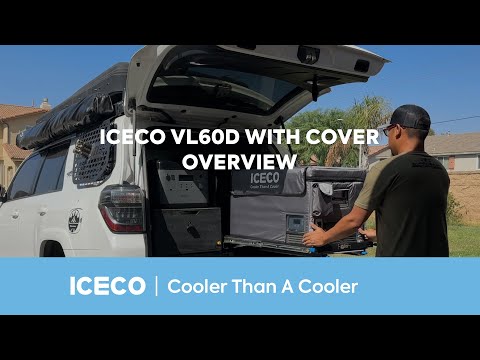
The value sweet spot for a big dual-zone box. The VL60 gives you 60 liters split into two independently controlled compartments, a premium Danish SECOP compressor, and a 5-year warranty for hundreds less than a comparable Dometic. It runs on 12/24V DC and 110–240V AC and ships with an insulated cover. Heavier and less refined than the CFX3, but the cooling and durability punch well above the price.
Pros
- Big 60L dual-zone capacity
- Premium SECOP compressor
- 5-year warranty, great value
Cons
- Bulky and heavy
- App/features less polished than Dometic
Alpicool CF55 (55L)
Budget · ~$300–340 · cheapest real dual-zone
The cheapest credible way into a real compressor fridge. Alpicool has a long pedigree in budget 12V cooling, and the CF55 gives you fridge-and-freezer sections, battery-protection modes, and a genuinely low draw for a price that undercuts everything else. You give up refinement, warranty length, and some efficiency versus premium boxes — but for weekenders and first-time upgraders it is a lot of fridge for the money. (Smaller C-series models drop under $150.)
Pros
- Lowest price for dual-zone
- Battery-protection cutoff built in
- Wide size range
Cons
- Shorter warranty, lighter support
- Not as efficient as premium units
Whynter FM-45G (45 qt)
Mid · ~$450–500 · −8°F to 50°F, fast-freeze
If you actually want a freezer — for meat, fish, or long boondocking — the Whynter FM-45G is the pick. It holds a true −8°F, has a fast-freeze mode, runs on AC and DC, and is built like a tank. At 45 quarts it is a single-zone box, so you choose fridge or freezer duty rather than both at once, but for a dedicated cold box it is one of the most trusted names in the category.
Pros
- Genuine deep-freeze capability
- Rugged, durable build
- Fast-freeze mode
Cons
- Single zone (not fridge + freezer at once)
- No app/Bluetooth
EcoFlow Glacier Classic 55L
Premium · ~$900–1,100 · optional plug-in battery
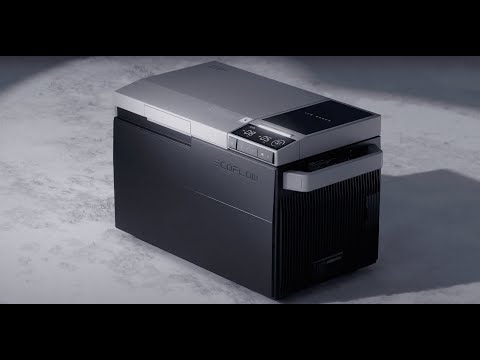
The gadget-lover's fridge. The Glacier is dual-zone with full app control and six charging options, and its headline trick is an optional plug-in battery that lets it run detached from your rig for hours — handy for tailgates, beach days, or a second cooler off the coach. Some configurations even add a built-in ice maker. It is heavier and pricier than a plain box, but no other fridge here is as flexible about where and how it gets its power.
Pros
- Optional detachable battery
- App control, 6 charging inputs
- Dual-zone, ice-maker options
Cons
- Heavy; battery adds cost
- Premium price
BougeRV 12V Portable Refrigerator (28L)
Budget · ~$245 · compact chest style
A tidy little compressor fridge for a cab, a small van galley, or a second cold box for drinks. At 28 liters it is easy to place and light to move, with a real compressor (not thermoelectric) so it holds temperature in summer heat. BougeRV also makes larger dual-zone models (the 55-quart Rocky series with app control) if you want to stay in the brand and size up. A sensible budget entry that punches above its price.
Pros
- Compact, easy to place
- Real compressor cooling
- Low price
Cons
- Small for a main fridge
- Single zone at this size
See it in action
Official demos and hands-on walkthroughs of our picks. Videos play right here via YouTube.
How to choose
1. Size it to how you actually cook
Capacity is listed in liters or quarts (roughly 1 liter = 1.06 quart). A couple doing weekend trips is happy around 30–45L; full-timers running real groceries usually want 55–75L. Remember a chest fridge needs clearance to open the lid, and an upright needs door swing — measure your bay before you buy.
2. Single zone vs. dual zone
Dual-zone boxes run a fridge and a freezer at once with separate temperatures, which most RVers prefer. Single-zone units (like the Whynter) do one job at a time but cost less and can go deep-freeze when you need it.
3. Match it to your battery bank
This is the step people skip. A 12V compressor fridge typically draws about 30–50 amp-hours a day, more in desert heat. That is a real load on your house battery, so pair a fridge with enough lithium capacity and, ideally, solar to replace what it burns. See our deep-cycle battery guide and solar kit guide to size the bank that keeps it running.
4. Top-load vs. front-load
Chest (top-load) fridges hold cold better every time you open them because cold air sinks and stays. Upright (front-load) fridges are easier to reach into and stack, but spill cold air on every open. For off-grid efficiency, top-load wins; for galley convenience, front-load is nicer.
Frequently asked questions
How much power does a 12V RV refrigerator use?
Most 12V compressor fridges draw roughly 30 to 50 amp-hours per day, though it depends on size, how hot it is outside, and how often you open the lid. Because the compressor cycles on and off rather than running constantly, the actual daily draw is far lower than the peak wattage on the label.
Can I run a 12V fridge off my RV battery overnight?
Yes. Overnight is only 8 to 12 hours, so even a modest fridge only pulls around 15 to 25 amp-hours while you sleep. A single 100Ah lithium battery can run most 12V fridges for a day or more on its own, and adding solar lets it run indefinitely off-grid.
Is a dual-zone fridge/freezer worth it?
For most RVers, yes. A dual-zone box gives you a refrigerator and a real freezer at the same time with independent temperatures, which is a big upgrade over a cooler or a single-temperature box. Choose single-zone only if you specifically want a dedicated deep freezer or want to save money.
Will a 12V compressor fridge freeze food in hot weather?
Yes. Unlike thermoelectric coolers, compressor fridges hold a set temperature regardless of how hot it is outside, and most reach a true freezing point of around minus 8 degrees Fahrenheit. They simply run a little more often in the heat, which is why sizing your battery and solar matters.
Should I get a chest (top-load) or upright (front-load) RV fridge?
Top-load chest fridges are more energy efficient because cold air stays inside when you open the lid, making them the better off-grid choice. Front-load uprights are easier to organize and reach into but lose cold air on every open, so they draw a bit more power.
Related guides
Best RV Deep-Cycle Batteries
Your fridge is the biggest 12V draw — size the lithium bank that keeps it cold.
Read the guide →Best RV Solar Kits
Replace the amp-hours your fridge burns each day with rooftop or portable solar.
Read the guide →Best RV Power Systems
Battery, DC-DC, solar and inverter — the full off-grid system your fridge runs on.
Read the guide →